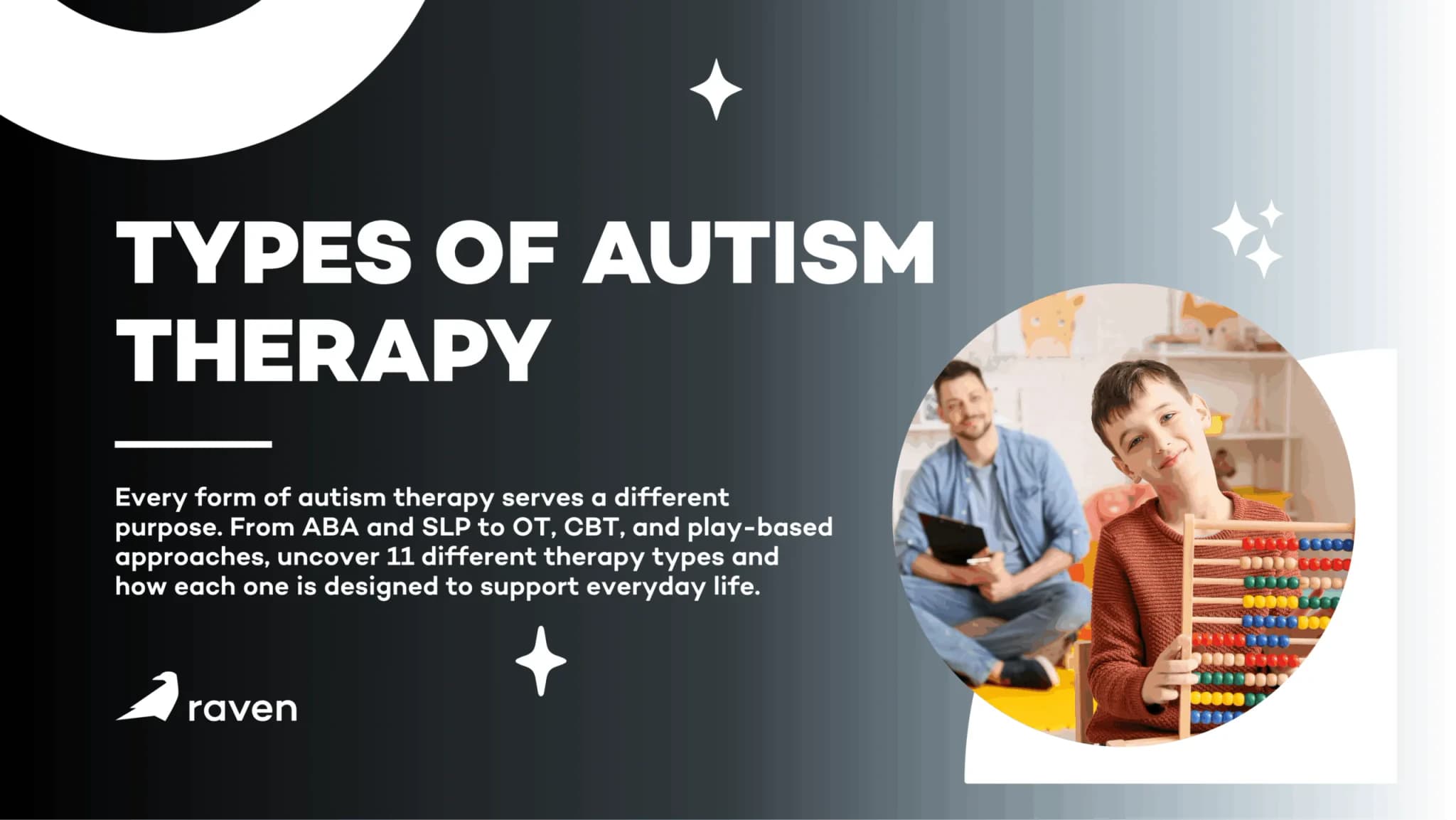
Finding the right therapy for a child or adult with autism can feel overwhelming, especially when every option seems important, and every professional has a different suggestion. Autism is a spectrum, which means no two people share the exact same needs, strengths, or challenges.
Because of this, therapy isn’t a one-size-fits-all plan. Instead, it’s a mix of approaches that focus on communication, behavior, daily living skills, and social understanding. In this article, you will explore different therapies used in autism and what each therapy focuses on, who benefits the most from it, and how it fits into real-life situations.
1. Speech Language Pathology (SLP)
Speech language pathology (SLP) helps individuals who have trouble communicating, whether verbally, using gestures, or with assistive devices. Not everyone with autism struggles with speech, but many benefit from learning how to express needs, understand language, and interact socially.
Focus Area of Speech Therapy
Building verbal communication
Improving articulation and clarity
Developing nonverbal communication (gestures, facial expressions)
Teaching how to use AAC (Augmentative and Alternative Communication) devices
Strengthening conversational skills like turn-taking
Speech therapy is useful for children or adults who:
Have limited or unclear speech
Use a few words or rely on gestures
Need support understanding directions or social language
Benefit from structured communication practice
2. Applied Behavior Analysis Therapy (ABA)
Applied Behavior Analysis (ABA) is one of the most common approaches used to support individuals on the autism spectrum. It focuses on teaching meaningful skills through structured, measurable steps. ABA sessions often involve breaking tasks into small parts and using reinforcement to help the learner succeed.

Focus Area of ABA
Teaching communication, social, and daily living skills
Reducing challenging behaviors using evidence-based strategies
Helping clients build independence through repeated practice
Collecting data so clinicians can adjust the program as needed
ABA is often recommended when a child needs support with:
Communication delays
Social skills
Daily routines such as eating, dressing, and hygiene
Behavior challenges that affect learning
3. Occupational Therapy (OT)
Occupational therapy helps individuals build everyday skills so they can participate more fully at home, school, or in the community. For many autistic individuals, everyday tasks feel overwhelming due to motor, sensory, or planning challenges.
Focus Area of OT
Fine-motor skills such as writing, buttoning, and using utensils
Self-care routines like toothbrushing, dressing, and handwashing
Sensory processing, which includes supporting kids who are sensitive to sound, textures, and light
Building independence through structured routines and visual supports
OT is especially helpful when someone has:
Difficulty with handwriting, tying shoes, or using tools
Sensory overload or sensory-seeking behaviors
Trouble planning or completing daily tasks
Challenges with emotional regulation
4. Social Skills Training
Many autistic individuals need structured support to understand social rules that others learn naturally. Social skills training teaches how to communicate, interact, and build relationships in a predictable, supportive environment.
Focus Area of Social Skills Training
Making and maintaining friendships
Recognizing nonverbal signals such as body posture, facial movements, and vocal intonation
Practicing conversation skills
Learning how to handle conflicts and group settings
Training is often done in small groups so learners can practice real interactions safely. This therapy works well for individuals who:
Looking to get more involved in school events or local programs.
Need support understanding social expectations
Struggle with peer interactions or group situations
5. Cognitive Behavioral Therapy (CBT)
CBT is often used with autistic children, teens, and adults who experience anxiety, rigid thinking patterns, or difficulty managing emotions. While CBT is not autism-specific, it adapts well when therapists use visual tools, structured steps, and concrete examples.
Focus Area of CBT
Helping individuals identify confusing or overwhelming thoughts
Teaching coping strategies for anxiety, fear, or frustration
Practicing flexible thinking and problem-solving
Using visuals, checklists, and role-play to support learning
CBT is especially helpful when someone:
Struggles with anxiety in school, social, or change-based situations
Needs support in understanding emotions or calming strategies
Benefits from structured, predictable sessions
CBT is commonly used for autistic teens and adults who can talk about their feelings with guidance.
6. DIR/Floortime
DIR/Floortime (Developmental, Individual-difference, Relationship-based model) focuses on connection and emotional development rather than structured tasks. Instead of directing the child, the therapist follows the child’s interests and builds shared interaction from there.
Focus Area of DIR/Floortime
Strengthening emotional connection and communication
Building back-and-forth interaction
Encouraging problem-solving through play
Supporting sensory needs during sessions
This approach works well for children who:
Struggle with engagement and connection
Benefit from child-led therapy rather than structured drills
Have sensory needs that affect learning
Floortime is often used alongside ABA, speech therapy, or OT.
7. Play-Based Therapy
Play therapy helps children learn through natural activities rather than formal instruction. Many autistic children understand concepts better when they experience them through hands-on play.
Focus Area of Play-Based Therapy
Developing imagination and symbolic play
Practicing turn-taking, sharing, and communication
Learning emotional expression in a safe environment
Improving social interaction with peers or adults
This approach benefits children who:
Communicate or learn best through play
Need support understanding emotions
Have difficulty with peer interactions
Play therapy is often used with younger children or those who struggle with traditional teaching methods.
8. Parent-Mediated Interventions
In parent-mediated therapy, caregivers learn strategies they can use at home, during routines, and in the community. These programs often come from evidence-based models like PRT (Pivotal Response Treatment) or early intervention programs.
Focus Area of Parent-Mediated Therapy
Teaching parents how to respond to communication attempts
Supporting early social interaction
Encouraging language development during everyday tasks
Reducing challenging behaviors through consistent routines
It is most effective for:
Toddlers and young children
Families who want tools they can use at home
Parents who need guidance, giving structured support
Parent-mediated therapy strengthens progress outside the clinic, which makes early learning more consistent.
9. Physical Therapy (PT)
Physical therapy supports gross motor skills, balance, and coordination. Many autistic individuals have delays in motor development, which can impact daily functioning.
Focus Area of PT
Strengthening core muscles
Improving balance and coordination
Supporting posture and mobility
Helping with playground, sports, or safety skills
PT is useful when someone:
Struggles with balance or frequent falls
Has low muscle tone
Needs support with running, jumping, or climbing
Has difficulty with motor planning
PT often works hand-in-hand with OT and ABA.
10. Feeding Therapy
Feeding therapy addresses challenges with eating, chewing, or accepting new foods. Many autistic children have sensory sensitivities that affect mealtime.
Focus Area of Feeding Therapy
Expanding food variety and reducing picky eating
Improving chewing, swallowing, and oral-motor skills
Helping children tolerate textures, smells, and new foods
Teaching safe feeding routines
This therapy is helpful for children who:
Eat only a few foods
Gag when trying new textures
Have difficulty chewing or swallowing
Experience stress at mealtimes
Feeding therapy is often provided by speech therapists or OTs trained in feeding.
11. Early Start Denver Model (ESDM)
ESDM is a play-based, relationship-focused therapy for toddlers. It combines ABA principles with child-led interaction.
Focus Area of ESDM
Early communication skills
Shared attention and play
Social engagement
Learning through natural routines
This therapy is ideal for:
Children ages 12–48 months
Families who want early, developmental intervention
Toddlers who learn best through play
Many early intervention programs incorporate ESDM strategies.
Conclusion
There is no single therapy that works for everyone on the autism spectrum. When combined thoughtfully, these therapies create a well-rounded support system tailored to the person’s needs. Working with qualified professionals and choosing therapies based on strengths and challenges ensures each individual receives meaningful, effective care.
Sources
my.clevelandclinic.org/health/articles/autism-therapies
webmd.com/brain/autism/therapies-to-help-with-autism
cdc.gov/autism/treatment/accessing-services.html