ABA Billing Companies Reviewed for Setting Up Your Practice

ABA Billing Companies Reviewed for Setting Up Your Practice
ABA Billing Companies Reviewed for Setting Up Your Practice
When you’re an Applied Behavior Analysis (ABA) therapy provider, your mission is clear: deliver exceptional care. But complex billing processes, insurance requirements, and claim denials can get in the way of that goal — draining time, cash flow, and energy from your ABA therapy center.

The reality is that ABA billing isn’t simple. Providers often juggle multiple therapists, unique CPT codes, and extensive documentation requirements — all while trying to meet the demands of different insurance companies and stay compliant with ever-changing regulations. Without a clear billing strategy or trusted medical billing services, it’s easy to get buried in administrative tasks that pull your focus away from delivering high-quality care to your clients.

This is where the top industry billing companies make a real difference. They combine expert knowledge of the specialized field of behavior analysis (ABA) therapy with scalable solutions that handle intricate billing processes, denial management, coverage validation, and accounts receivable tracking. The right partner brings tailored solutions to your practice’s unique needs, whether you’re just starting out or scaling to serve hundreds of families — and helps you navigate complex requirements from multiple insurance companies

From automated claim submission to authorization management and accurate coding, professional ABA billing services streamline the entire revenue cycle. With a dedicated team on your side, you can reduce billing errors, prevent denials, and get the timely reimbursement you deserve. Ultimately, partnering with billing experts within the ABA industry gives you more time to do what you do best: delivering high-quality care and supporting meaningful outcomes for your clients.

Below, we’ll break down trusted ABA therapy billing companies and the services they offer so you can choose what fits your practice best — whether you need end-to-end billing support, specialized billing services, or an all-in-one AI-powered option built to help you grow and thrive.

The Top ABA Billing Companies

Here are six standout ABA therapy billing companies to help your practice simplify insurance billing, reduce billing errors, and get paid faster.

Featured Companies:

Raven Health

Who is Raven Health?

Raven Health is an all-in-one practice management platform built to solve the biggest challenges in ABA therapy billing. Our AI-powered approach eliminates billing errors, automates denial management, and simplifies the entire revenue cycle — all while giving your team more time to deliver high-quality ABA therapy.

Unlike other ABA billing companies that only handle billing services, Raven Health’s solution includes real-time clinical data, scheduling, billing, and compliance in one platform. Our dedicated team of billing experts works side by side with you to boost collections and maintain financial stability.
Helpful Links:

Who is Raven Health?

Raven Health Pricing

Raven Health offers transparent, performance-based pricing for managed ABA billing services — if you don’t get paid, neither do we. For self-billing, our powerful billing software is included in your subscription at no extra cost.

Best For: Small to mid-sized ABA providers who want AI-powered billing, full revenue cycle management, and a single platform for all their practice needs.

CentralReach

Who is CentralReach?

CentralReach is one of the most recognized names in ABA therapy billing software and practice management. Their platform covers everything from billing services and scheduling to data collection and reporting, making them a solid choice for larger ABA therapy centers needing robust, scalable solutions.

CentralReach Pricing

CentralReach offers custom pricing based on practice size and features.

Best For: Large, multi-location ABA therapy practices that need extensive features and scalability.

AlohaABA

Who is AlohaABA?

AlohaABA offers easy-to-use ABA billing software with scheduling tools designed to keep your ABA therapy billing processes running smoothly. They focus on helping ABA service providers when it comes to handling day-to-day insurance claim processing without the headaches of claim rejections and administrative overload.

AlohaABA Pricing

AlohaABA’s pricing is subscription-based, with options that scale as your ABA therapy practice grows.

Best For: Small to mid-sized ABA therapy providers looking for straightforward billing software and user-friendly scheduling tools.

Theralytics

Who is Theralytics?

Theralytics helps ABA therapy practices manage billing services and practice operations with an intuitive, easy-to-navigate interface. It’s designed for providers who want clear workflows for submitting claims, tracking authorizations, and managing accounts receivable.

Theralytics Pricing

Pricing is offered in tiers depending on the level of ABA billing support and additional practice management tools you need.

Best For: Providers who prefer simplicity and ease of use in their ABA therapy billing and scheduling workflows.

Hi Rasmus

Who is Hi Rasmus?

Hi Rasmus is an ABA practice management platform that combines scheduling, session notes, and basic ABA billing features for growing ABA therapy providers. Their essential billing tools help with claim submissions and claim processing tasks for smaller teams who prefer to handle billing in-house.

Hi Rasmus Pricing

Hi Rasmus offers simple subscription pricing based on practice size and user count.

Best For: Clinics looking for a straightforward practice management system with basic billing tools and integrated scheduling.

Plutus Health

Who is Plutus Health?

Plutus Health is a dedicated ABA billing company offering comprehensive billing management services. They’re known for helping ABA practices manage intricate billing processes, including coverage validation, authorization management, claim submission, denial follow ups and resolution, and accounts receivable oversight. Plutus Health’s ABA therapy billing experts handle everything from coding compliance to claim rejections, so clinics can maintain focus on patient care instead of paperwork.

Plutus Health Pricing

Plutus Health provides custom pricing based on practice size and scope of services. They focus on delivering maximum reimbursement and financial performance for ABA therapy practices of all sizes.

Best For: Practices that want a trusted team of ABA therapy billing experts to handle the entire billing cycle, improve billing accuracy, and boost cash flow.

How ABA Therapy Billing Services Reduce Administrative Burden

When you’re building or growing an ABA therapy practice, choosing the right billing partner is one of the smartest financial decisions you can make. RCM services — also known as revenue cycle management services — are essential for staying on top of the financial aspects of your practice while maintaining your focus on delivering exceptional ABA services to the families you serve.

ABA therapy providers often underestimate the time-consuming admin load that comes with managing billing tasks internally. The truth is, juggling multiple payers, staying updated on insurance services requirements, and managing claim denials can quickly drain your time and resources. That’s why so many practices now rely on trusted RCM services that offer tailored solutions built just for ABA therapy services — covering everything from insurance verification to denial management and accurate reimbursement.

How ABA Therapy Billing Services Reduce Administrative Burden

The best billing companies deliver comprehensive services that take the guesswork out of your revenue cycle. They help you protect your cash flow, improve billing accuracy, and ensure you’re getting the accurate reimbursement you’ve earned for the ABA therapy services you provide. When your billing team is experienced in the unique demands of applied behavior analysis, you avoid mistakes that general medical billing providers often make — mistakes that can lead to costly claim denials and delayed payments.

For practices just starting out, outsourcing to an ABA-specific billing provider or investing in an AI-powered platform like Raven Health can dramatically lighten your administrative burden and streamline your entire billing operation. With RCM services and dedicated industry insurance experts, you can feel confident that the financial aspects of your practice are in good hands.

At the end of the day, your priority is delivering quality ABA services — not fighting with insurance companies over denied claims. By partnering with a company that understands the nuances of ABA therapy services, you get the tailored solutions you need to maintain healthy financial operations, receive proper reimbursement, and reduce costly delays.

If you’re looking for a partner that delivers comprehensive services — from powerful software to a full-service managed billing team — Raven Health is ready to help you thrive. Let us handle the complex financial aspects so you can focus on the meaningful work that drives your ABA therapy services forward every day.

How ABA Therapy Billing Services Reduce Administrative burden

Book your free consultation with Raven HERE to see how our RCM services, insurance services, and tailored solutions can remove the administrative burden for your team — and help you achieve faster, more accurate reimbursement for every hour of care you provide.

Frequently Asked Questions

Should I Use In-House Billing Software or Get Managed Billing Services?
It depends on your ABA therapy billing needs. If you’re a solo practitioner comfortable with submitting claims and insurance billing yourself, ABA billing software may be enough. But most growing ABA therapy providers soon outgrow in-house billing.

Managed billing services handle coverage validation, denial management, and accounts receivable — all backed by a dedicated team of ABA billing experts. The result? Fewer billing errors, faster payments, and more time for delivering great care.

What Are the Benefits of Working With a Billing Provider?

A trusted ABA billing service provider handles the most complex parts of your RCM workflow — including coverage validation, accurate coding, claim submission, and compliance requirements. This keeps your practice financially healthy and reduces time wasted on insurance billing headaches.

More importantly, it frees your team to do what they do best: deliver high-quality ABA therapy and improve patient care.

What Features Do I Need for ABA Therapy Billing Software?
Look for ABA billing software that provides:

  • Comprehensive claim submission tools
  • Built-in insurance verification
  • Authorization management
  • Accurate coding with certified coders
  • Denial management and claim follow-ups
  • Real-time revenue cycle management dashboards
  • Compliance safeguards to reduce billing errors
  • Clear accounts receivable tracking

What Features Do I Need for ABA Therapy Billing Software

Raven Health’s managed billing bundle, along with our self-billing solution are designed with all of this built-in — so your billing processes stay smooth and stress-free.

Why Should I Find an ABA-Specific Billing Partner?

ABA therapy billing is unique. Using a general medical billing service may lead to billing errors and missed reimbursement opportunities. An ABA-specific partner understands applied behavior analysis, client authorization management, health plan funders, and the correct CPT codes — ensuring faster payments, fewer claim denials, and maximum reimbursement.
Why Should I Find an ABA-Specific Billing Partner

What If I’m Just Starting Out?
If you’re launching your first ABA therapy practice, you probably don’t have a huge billing department — and that’s okay. Raven Health is designed for startup ABA providers who want to focus on delivering care, not chasing payments.

With our AI-powered managed billing services and easy-to-use software, you get a full-service billing partner without the overhead of an in-house billing team. Start your free trial or book a demo today to see how we can support your ABA therapy billing needs from day one.

What If I’m Just Starting Out

Learn How Raven Health’s ABA Billing Services Can Help You Save

Choosing the right ABA billing partner transforms your practice’s financial performance and frees you to focus on what matters most: delivering exceptional care. From reducing claim denials to improving cash flow, the right ABA billing services protect your bottom line so you can protect your clients.

Raven Health is the trusted partner for ABA providers ready to harness AI-powered automation, boost collections, and eliminate billing headaches. Whether you’re billing in-house or using our full-service managed billing services, our dedicated team and smart tools keep your practice compliant, efficient, and profitable.

Book a free demo today or start your free trial to see how Raven Health’s all-in-one ABA practice management platform helps you deliver high-quality ABA therapy — without the stress of complex billing.


The Top 10 Best ABA Podcasts to Listen To

The Top 10 Best ABA Podcasts to Listen To

The Top 10 Best ABA Podcasts to Listen To
Whether you’re a board certified behavior analyst, a registered behavior technician, or just passionate about understanding human behavior, there’s no shortage of impactful, insightful, and easy-to-digest discussions in the world of ABA podcasts. From exploring the latest research on autism spectrum disorder to hearing real-life examples of behavioral science in everyday life, these podcasts offer practical tips, engaging insights, and actionable strategies for anyone implementing applied behavior analysis (ABA).

Listening to the best ABA podcasts is more than just entertainment—it’s an opportunity for continuing education, ongoing certification preparation, and personal growth. These shows provide deep insights for autism professionals, related service professionals, ABA clinic owners, graduate students, and anyone dedicated to evidence-based practices.

Let’s explore the top 10 applied behavior analysis podcasts that will energize your practice and spark new ways of thinking through the behavioral lens.

The Top 10 Best ABA Podcasts

Behavior Bitches

This unapologetically raw and wildly relatable podcast relates to both behavior analysis and mental health with humor and heart. Hosted by two behavior analysts, Liat Sacks and Casey McDaniel, Behavior Bitches offers episodes on functional communication training, task analysis breakdowns, verbal behavioral patterns, and much more.

They cover real-world challenges, bring in autism professionals and board certified behavior analysts, and consistently deliver badass behavior analyst energy with countless insightful discussions. For RBTs or ABA clinic owners looking to laugh, learn, and manage stress, this one’s a must.

behavior bitches podcast

ABA Inside Track

This podcast covers topics such as crisis intervention, supervision advice, verbal behavior, and data collection methods with clinical depth and clarity. Hosted by three BCBAs—Diana, Rob, and Alan—ABA Inside Track dives into relevant research and invites top-tier autism community guests.

What sets it apart? ABA Inside Track is not just for behavior analysts; it’s perfect for students perusing careers in ABA therapy, autism professionals, and those earning continuing education credits. If you’re growing a successful ABA practice, this podcast helps you stay current with topics related to applied behavior analysis best practices.

What Is ABA Software?

Behavioral Observations

One of the most downloaded ABA podcasts, Behavioral Observations is hosted by Matt Cicoria and remains a cornerstone for those interested in ongoing day-to-day applications of behavior analysis. The behavioral observations podcast covers topics like ACT (Acceptance and Commitment Therapy), applied behavior analysis, and it explores everything from domestic violence to autism interventions.

With episodes featuring big names in behavioral science and practical tips for behavior technicians, this applied behavior analysis podcast is great for deepening your behavior technician experience and earning CEUs.

Behavioral Observations

The Controversial Exchange

Want to challenge your perspective? The Controversial Exchange pushes the boundaries of traditional ABA therapy discussions. This podcast explores difficult topics in behavior analysis, such as diversity, bias, and ethics, through easy-to-digest discussions and thought-provoking conversations.

It’s raw, honest, and designed to make you reflect on your work and your place in the autism community. Perfect for those wanting to explore ideas that go beyond continuing education and into real change.

The Controversial Exchange

Behavior Analysis in Practice

This journal-style podcast delivers academic and peer-reviewed discussions for clinicians and researchers. Behavior Analysis in Practice explores current studies related to behavior analysis, ABA services, and communication training with an emphasis on evidence-based approaches.

If you’re pursuing a master’s degree in ABA, managing an ABA therapy business, or simply hungry for the latest research, this podcast will help you sharpen your focus and stay ahead.

Behavior Analysis in Practice

The Autism Helper

Hosted by Sasha Long, a board certified behavior analyst, The Autism Helper shares strategies for teaching children with autism, data collection, and classroom-based ABA interventions. This podcast covers everything from both an educator and clinician standpoint, providing tips that are actionable and grounded in applied behavior analysis.

Great for autism professionals, parent training, and RBTs, the podcast brings practical, everyday strategies into the spotlight.

The Autism Helper

Inside the BACB

As the official podcast of the Behavior Analyst Certification Board, Inside the BACB is essential for those seeking clarity around board certification, task list changes, and updates in the ABA field. It’s the definitive source for ongoing certification and staying compliant with evolving standards in applied behavior analysis.

From pay breakdowns to supervision structure, this podcast offers insights that every aspiring or practicing BCBA should know.

Inside the BACB

Functional Relations

This podcast, hosted by Zach Bird and Caleb Davis, offers a relaxed but research-backed approach to exploring core principles of behavior analysis. These two behavior analysts provide topics that range from autism spectrum interventions to ABA services in schools and clinics. With real examples and a heavy emphasis on practical applications, Functional Relations supports both professional development and personal insight.

If you’re into ABA therapy and intervention planning, this podcast gives you digestible, thoughtful content that ties theory to everyday practice in behavior science.

Functional Relations

The How to ABA Podcast

The How to ABA Podcast, hosted by Shira Karpel & Shayna Gaunt is another ‘can’t miss’ featuring topics related to behavioral science, supervision, and all in all, the best business advice. It’s ideal for those with limited time but a hunger for growth—especially ABA therapy business owners and behavior technicians balancing caseloads and certification prep.

This podcast holds invaluable resources, covering everything from evidence-based intervention strategies to managing ABA practices with objective outcomes in mind.

The How to ABA Podcast

A Bird’s Eye View

Last, but certainly not least, but sure to check out A Bird’s Eye View, Raven Health’s very own podcast crafted specifically for ABA therapy professionals navigating the complexities of clinical care, business growth, and evolving industry standards. Each episode delivers clear, research-informed conversations covering topics such as autism diagnosis, applied behavioral analysis, and professional development opportunities—all while keeping things approachable and relevant to your everyday work.

Whether you’re a solo BCBA, a clinic owner, or an RBT supporting multiple clients, A Bird’s Eye View offers a blend of strategic insight and real-world reflection. You’ll hear from industry thought leaders, seasoned practitioners, and innovative voices who are actively shaping the future of ABA. Episodes often explore ways to support positive behaviors in school and home settings, as well as the tools and systems that drive meaningful behavior change within teams and across client caseloads.

For professionals looking to deepen their clinical skill set, the podcast also touches on advanced topics like precision teaching, functional assessment, and the effective use of AI in data-driven care. These quick yet thought-provoking episodes are designed to elevate your practice without overwhelming your schedule.

Perfect for tuning in between sessions or while on the go, A Bird’s Eye View keeps you informed, inspired, and connected to a broader community committed to doing good work in behavioral health. It’s more than just a podcast—it’s a companion for anyone working toward better outcomes in applied behavioral analysis.

A Bird's Eye View

Bringing It All Back Together

ABA podcasts are one of the most accessible ways for behavior analysts and industry professionals to stay informed, inspired, and connected to the evolving field of applied behavior analysis. From exploring functional communication to gaining supervision advice and earning continuing education credits, these podcasts offer a direct line to thought-provoking conversation and professional development.

At Raven Health, we’re committed to supporting behavior analysts, registered behavior technicians, and ABA therapy business owners by providing tools that streamline care, amplify outcomes, and reduce admin burden. Our all-in-one, AI-powered ABA software integrates data collection, session note generation, billing, and scheduling into one seamless platform.

Want to explore how Raven Health can support your successful ABA practice with real-time data collection methods, automated documentation, and evidence-based outcomes?

Here at Raven, we enable behavior analysts to harness the power of data collection both efficiently and effectively. With innovative software tailored for ABA, clinicians can improve client outcomes while improving staff satisfaction.

Schedule a demo today to see our platform in action—and learn how we’re transforming ABA therapy with seamless automation.

Bringing It All Back Together

And if you’re interested in diving deeper into industry trends, check out these resources:

The future of behavior science is smarter, more connected, and more empowering—for clinicians and clients alike. Let’s build it together!

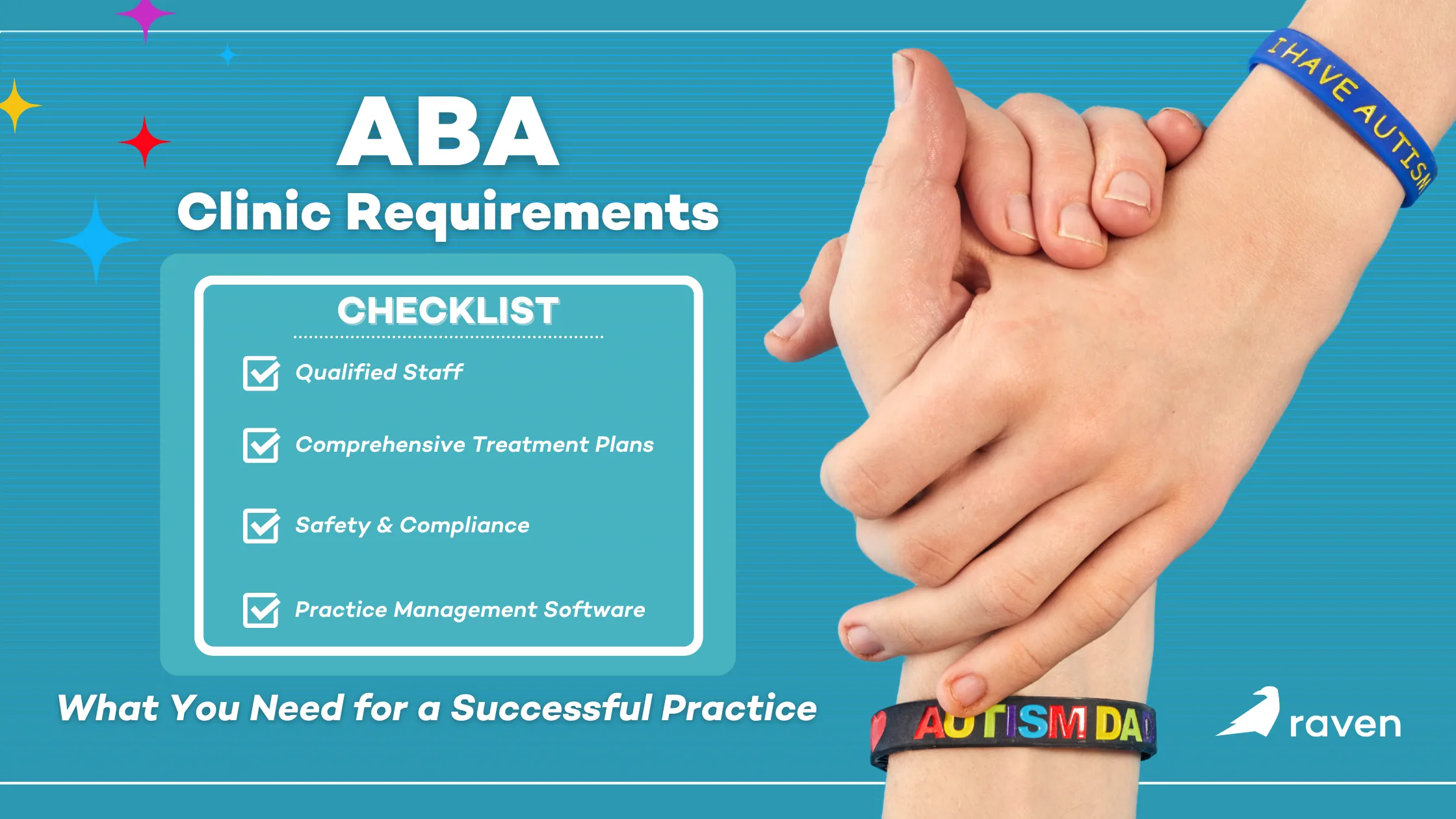
ABA Clinic Requirements Checklist: What You Need for a Successful Practice

ABA Clinic Requirements Checklist: What You Need for a Successful Practice

ABA Clinic Requirements Checklist

Understanding ABA Clinic Requirements

Launching an ABA clinic requires careful planning and a strong focus on providing high-quality care while adhering to legal and operational standards. This guide covers everything from education and licensing to insurance credentialing, staffing, and marketing, helping you build a thriving practice.

Applied behavior analysis (ABA) therapy is a proven approach for improving behavioral patterns, especially for individuals with autism spectrum disorder and other developmental challenges. Setting up an autism clinic involves navigating essential areas like legal requirements, insurance reimbursements, and hiring skilled ABA therapists.

Key steps in launching an ABA clinic include obtaining necessary licenses, tax IDs, and liability insurance, along with creating a solid business plan outlining goals, financial projections, and service offerings. A well-structured business plan also helps secure funding, whether through private investors, loans, or grants. Choosing a suitable location for your clinic is critical for both client engagement and operational efficiency.

Staffing plays a vital role in clinic success. ABA therapists should be trained, certified, and experienced, with ongoing professional development to stay current with industry best practices. Additionally, insurance credentialing is essential for making therapy accessible and ensuring smooth reimbursement processes. Marketing strategies, including digital outreach and referral programs, will help grow the clinic’s client base.

By focusing on legal compliance, business planning, quality staffing, and strategic growth, ABA clinics can create a strong foundation for long-term success in providing effective services.

ABA Clinic Requirements

Educational & Certification Requirements for ABA Providers

To provide ABA therapy, practitioners must meet specific educational and certification requirements. Applied behavior analysis relies on a scientifically proven approach to improving behavioral patterns, particularly for individuals with autism spectrum disorder and other developmental disorders. Those interested in entering this field must complete formal education, gain practical experience, and obtain certification to ensure they meet industry standards.

Education & Certification Pathway

Bachelor’s Degree: The First Step

The journey to becoming an ABA therapist begins with earning a bachelor’s degree in psychology, education, or a related field. This foundational step provides a strong understanding of human behavior, learning theories, and research methodologies—critical components for success in ABA programs. While a bachelor’s degree alone does not qualify someone to practice as a Board Certified Behavior Analyst (BCBA), it is often enough to work as a Registered Behavior Technician (RBT) or an assistant behavior analyst under supervision.

Master’s Degree: Advancing Toward BCBA Certification

To become a Board Certified Behavior Analyst (BCBA), a master’s degree in behavior analysis, psychology, or a related field is required. Many accredited ABA programs offer coursework aligned with certification requirements set by the Behavior Analyst Certification Board (BACB). A master’s degree not only expands a provider’s expertise but also opens doors for leadership roles, higher salaries, and the potential to start their own ABA practice.

BCBA Certification Exam: The Key to Professional Practice

After completing a master’s degree, aspiring ABA therapists must pass the BCBA certification exam. This rigorous test assesses knowledge of behavioral principles, ethical guidelines, and intervention strategies. Certification ensures that professionals meet the highest standards in ABA therapy, making them qualified to design and implement effective treatment plans.

Practical Experience: Gaining Hands-On Training

Before taking the BCBA certification exam, candidates must complete supervised fieldwork. Practical experience is an essential aspect of professional training, allowing future ABA therapists to apply their knowledge in real-world settings. Many ABA programs require candidates to work under the supervision of a certified BCBA, gaining expertise in treatment planning, data collection, and behavior improvement strategies.

Business Ownership: Opening Your Own ABA Clinic

For those interested in entrepreneurship, obtaining a BCBA certification and gaining experience can lead to opportunities in business ownership. Opening a clinic requires more than just clinical expertise—it also involves developing a solid business plan, securing funding, and understanding regulatory requirements. Many ABA professionals transition into private practice, allowing them to create tailored ABA therapy programs while maintaining control over their clinic’s operations.

The Role of Professional Organizations

Organizations such as Behavior Analysis International and the BACB oversee certification and ethical standards for the profession. They provide resources, continuing education opportunities, and guidelines that help ABA therapists maintain high-quality care. These organizations also support professionals who want to advance their careers, whether by specializing in a niche area of behavior analysis or by pursuing business ownership in the ABA field.

By following this structured educational and certification pathway, aspiring professionals can successfully navigate the steps needed to provide high-quality ABA therapy, whether working for an established practice or opening their own ABA practice.

ABA Clinic Requirements

Legal & Licensing Requirements for ABA Clinics

Choosing the Right Business Structure

Selecting the appropriate legal structure is crucial for protecting personal and business assets while ensuring smooth operations. When opening your own clinic, understanding the different business structures will help set the foundation for long-term success. Options include:

  • Limited Liability Company (LLC): An LLC offers protection of personal assets while providing flexibility in management and taxation. It’s a common choice for ABA therapy clinic owners, separating personal and business liabilities and shielding individual finances from potential legal claims.
  • Corporation (S-Corp or C-Corp): Larger ABA clinics may opt for a corporate structure, which allows for scalability, tax benefits, and easier access to investment. However, corporations require more complex administrative and tax filings.
  • Sole Proprietorship: This option is the simplest to set up but doesn’t offer liability protection. Owners are personally responsible for business debts, making it riskier.
  • Business Model Considerations: Deciding whether your clinic will be out-of-pocket, insurance-based, or hybrid is crucial. Insurance models may require credentialing with payers, while out-of-pocket offers flexibility but may limit accessibility.
  • Small Business Administration (SBA) Guidelines: The SBA offers resources for structuring and funding an autism clinic. Their guidelines help owners with financing, tax obligations, and legal requirements for healthcare practices.
  • Employer Identification Number (EIN): This IRS-issued number is required for tax and payroll purposes. ABA therapy clinics with staff need an EIN to process wages, file taxes, and open a business bank account.

Licensing & Accreditation

Clinics must meet strict licensing and accreditation standards to ensure ABA compliance with industry regulations and to provide high-quality care to their clients. Maintaining proper licensing is critical for accepting clients and operating legally.

  • Behavior Analysis Certification Board (BACB): This is the primary certification body for ABA therapists and clinic owners. The BACB ensures that professionals meet educational, training, and ethical standards required for providing ABA therapy services. Many states require BACB certification for clinics to operate legally.
  • State Licensure: While BACB certification is a national standard, many states have additional licensing requirements for ABA therapy clinics. Researching state-specific regulations is crucial to ensure full compliance before accepting patients.
  • Accreditation & Compliance: Many ABA therapy clinics pursue accreditation from organizations such as the Behavioral Health Center of Excellence (BHCOE) to demonstrate a commitment to high-quality care and compliance with best practices. Some insurance companies may require accreditation before credentialing a clinic.
  • Certification Exam & Compliance Requirements: Clinic owners and ABA therapists must stay up to date with continuing education, ethical guidelines, and compliance requirements to ensure their clinic maintains it’s licensed status. Non-compliance can lead to penalties or loss of licensure.
  • Professional Organizations: Joining an organization like the Association for Behavior Analysis International (ABAI) can help ABA therapy clinic owners stay informed on changes in industry regulations and licensing requirements. Many organizations provide valuable resources for clinic owners looking to navigate the complexities of running their clinic while maintaining compliance.

By understanding and following these legal and licensing requirements, ABA therapy clinic owners can ensure their practice is fully compliant and positioned for long-term success.

ABA Clinic Requirements License

Operational Setup

Selecting & Setting Up Your Clinic Space

The right physical space enhances the effectiveness of therapy and supports a positive therapeutic environment. A well-designed clinic provides both you and your team with an optimal setting for implementing Applied Behavior Analysis (ABA) interventions while ensuring client comfort and engagement.

Clinic Space & Physical Space Requirements

When selecting a clinic space, it’s essential to hold ethical considerations on several key factors that directly impact the delivery of ABA therapy:

  • Accessibility: Ensure that the clinic is ADA-compliant, making it easy for individuals with mobility challenges and caregivers to navigate the space comfortably.
  • Privacy: Treatment rooms should allow for one-on-one and small-group interventions without distractions, protecting client confidentiality and fostering focused learning environments.
  • Room for Intervention Strategies: The clinic should have designated spaces for structured learning, sensory-friendly areas, and space for play-based or naturalistic interventions. Flexibility is key in supporting behavior analysis strategies tailored to individual client needs.
  • Safety Considerations: Given that many clients may engage in challenging behaviors, it’s important to have secure and hazard-free spaces to prevent injuries.

Therapeutic Environment

An ABA clinic should be designed to support individuals with developmental disabilities by creating a welcoming, structured, and predictable space. Elements like visual schedules, clear labeling, and minimal distractions help enhance therapy. A supportive environment that reinforces positive behavior and offers social learning opportunities is key to effective treatment.

ABA Clinic Requirements

Choosing the Right Technology for ABA Practice Management

Technology plays an integral role in modern ABA practice management. From streamlining administrative workflows to tracking client progress in real-time, adopting the right tools can significantly enhance efficiency while improving clinical outcomes. Selecting the right technology ensures both you and your staff can focus more on providing quality therapy and less on time-consuming paperwork.

Practice Management Software

ABA clinics rely on an all-in-one aba software for scheduling, billing, and data tracking. A robust system should integrate these functionalities seamlessly to support compliance with the Behavior Analyst Certification Board (BACB) and other regulatory requirements. AI-driven tools that allow automated appointment reminders, secure telehealth options, and efficient claims processing can significantly reduce administrative burdens.

Administrative Tasks Optimization

Administrative efficiency is crucial for reducing overhead costs and ensuring clinicians have more time to focus on therapy. Key aspects include:

  • Automated billing and insurance claims processing to minimize errors and denials.
  • Digital intake forms and electronic consents to streamline patient onboarding.
  • Secure and HIPAA-compliant storage of client records to ensure privacy and accessibility.

By utilizing a sophisticated all-in-one ABA system, clinics can enhance service delivery, reduce operational inefficiencies, and maintain compliance with industry regulations.

Analyze Data for Better Outcomes

One of the biggest advantages of leveraging technology in an ABA practice is the ability to track and analyze client progress efficiently. A data-driven approach allows behavior analysts to make informed decisions about treatment plans, measure progress in real time, and adjust interventions accordingly.

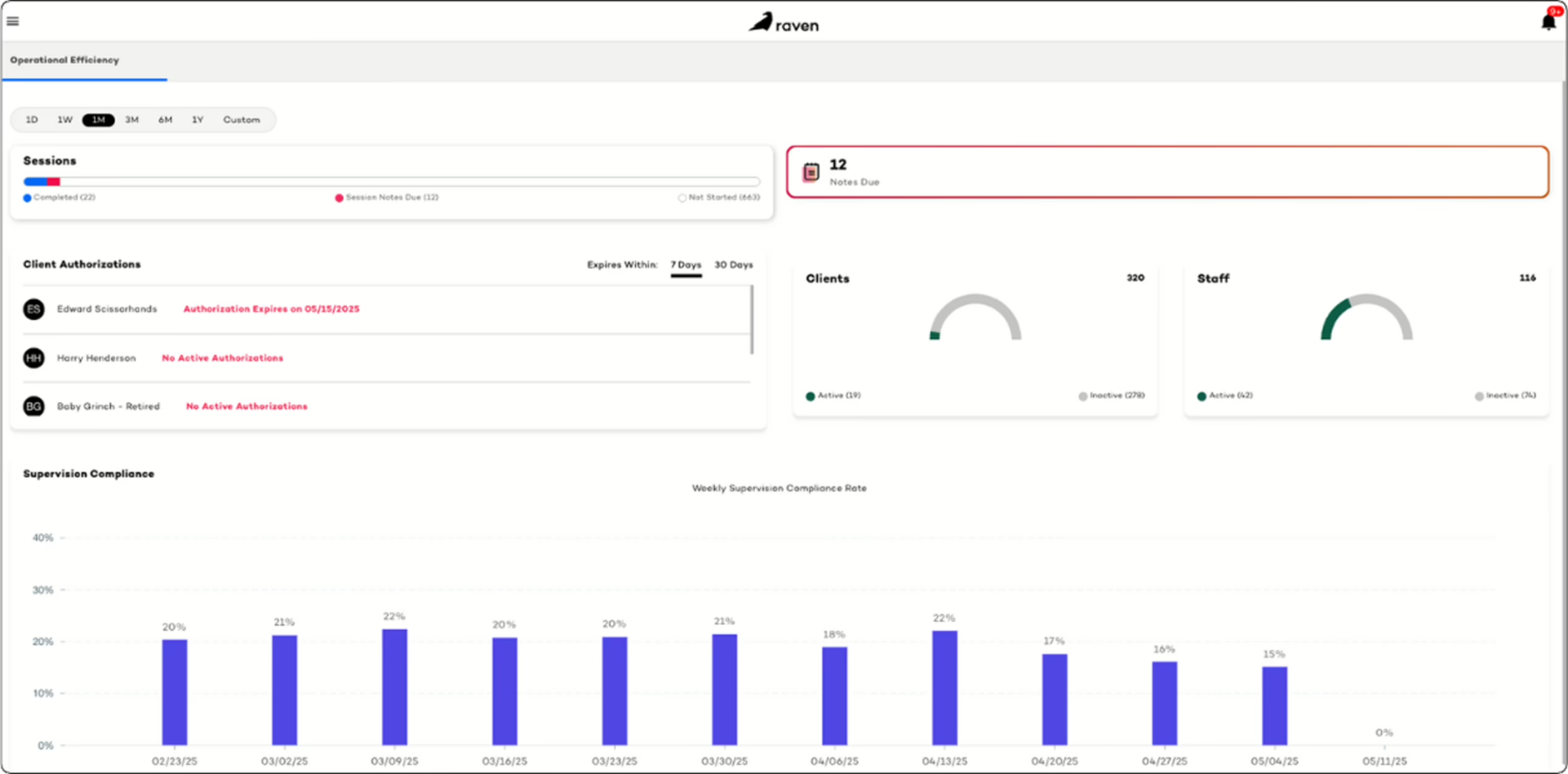
Raven Health, for example, provides an intuitive platform designed to enhance data collection, reporting, and decision-making in ABA therapy. By offering real-time analytics and customizable reporting tools, Raven empowers clinicians to gain deeper insights into client progress, ensuring that therapy remains adaptive and evidence-based. With automated therapy session documentation and seamless integration with insurance requirements, Raven Health simplifies the complexities of practice management.

By adopting a comprehensive ABA practice management platform like Raven Health, clinics can enhance efficiency, support compliance with the Behavior Analyst Certification Board, and ultimately improve client outcomes.

ABA Clinic Requirements - Analyze Data

Insurance Credentialing & Revenue Cycle Management

Credentialing with Insurance Companies

For new and rising clinics, credentialing with insurance companies is a crucial step in ensuring accessibility for families relying on reimbursements. The process can be complex, requiring careful attention to insurer-specific requirements, but successful credentialing opens the door to a wider client base and consistent revenue streams.

Insurance Providers & Private Insurance

Understanding the credentialing process with both private insurance companies and Medicaid providers is essential. Each insurer has distinct requirements, and meeting these conditions allows ABA providers to offer services that are financially accessible to more families.

  • Provider Enrollment: The first step involves submitting an application to insurance provider networks, detailing qualifications and clinic credentials.
  • Verification Process: Insurers conduct background checks, verifying professional licenses, certifications, and work history.
  • Approval & Contracting: Once approved, providers negotiate reimbursement rates and agree to contractual terms, establishing long-term financial viability.

Credentialing Requirements

Each insurance company follows specific protocols, requiring providers to meet eligibility criteria, such as:

  • Compliance with Behavior Analyst Certification Board (BACB) guidelines.
  • Proof of licensure and liability insurance.
  • Submission of National Provider Identifier (NPI) and Tax Identification Number (TIN).

Successfully navigating credentialing enhances a clinic’s credibility while ensuring families receive coverage for ABA services.

Medical Billing & Insurance Reimbursement

A strong revenue cycle is the backbone of financial stability for any clinic. Streamlined billing processes ensure steady cash flow, reducing administrative burdens and payment delays.

Insurance Reimbursements & Cash Flow

ABA billing training is a crucial must. Billing inefficiencies can lead to claim denials, reimbursement delays, and revenue loss. Implementing an optimized system ensures:

  • Faster Claims Processing: Proper coding and claim submission reduce denials and accelerate payments.
  • Reduced Financial Strain: Timely reimbursements support clinic operations and staff salaries.
  • Automated Payment Tracking: Technology solutions, like Raven Health, helps providers manage invoices and monitor revenue cycles with ease.

HIPAA Compliance & Data Security

Protecting client confidentiality is not just a legal requirement—it’s an ethical obligation. Autism clinics must adhere to federal regulations to safeguard sensitive information and maintain trust within the community.

HIPAA Training & Implementation

Ensuring staff is well-versed in HIPAA guidelines is critical. This includes:

  • Secure handling of client records.
  • Restricted access to confidential information.
  • Regular compliance audits to prevent data breaches.

Securing Client Data & Electronic Records

In an era of digital documentation, implementing cybersecurity measures is a must. ABA clinics should use encrypted systems for:

  • Electronic Health Records (EHR): Secure storage of therapy notes and client progress reports.
  • Data Encryption & Access Controls: Protecting sensitive data from unauthorized access.
  • Regular System Audits: Identifying vulnerabilities before they become security risks.

ABA Clinic Requirements

Hiring & Staffing

Building a team of highly qualified professionals is fundamental to delivering top-tier ABA services. Retaining skilled staff not only strengthens clinical outcomes but also fosters long-term business growth.

Key Roles & Certification Requirements

ABA clinics require a diverse range of professionals, including:

  • ABA Therapists & Experienced ABA Therapists: Directly implement treatment plans under supervision.
  • Board Certified Behavior Analysts (BCBA) & Certified Behavior Analyst BCBA: Design and oversee behavioral analysis through intervention programs.
  • Professional Behavior Analysts: Provide clinical supervision and conduct behavioral assessments.
  • Occupational Therapists & Speech-Language Pathologists: Complement ABA therapy with speech, sensory and motor skill interventions.

Comprehensive Assessments

Skilled professionals conduct evaluations to determine individualized treatment plans. These assessments guide therapy approaches, ensuring tailored interventions for each client.

Recruiting & Retaining Skilled ABA Professionals

The demand for qualified ABA professionals is high, making recruitment and retention a priority.

Professional Associations & Networking

Building connections within the ABA community helps clinics attract top talent. Engaging with organizations like the Behavior Analyst Certification Board (BACB) and attending industry events provide networking opportunities for recruitment.

Experienced ABA Therapists: Retention Strategies

  • Competitive Salaries & Benefits: Offering comprehensive compensation packages encourages staff loyalty.
  • Continuing Education Opportunities: Supporting professional development fosters employee satisfaction.
  • Positive Work Environment: Encouraging collaboration and providing mentorship enhances job satisfaction.

Actively Listen: An Essential Hiring & Management Skill

For hiring managers and supervisors, active listening is crucial in understanding an ABA therapists needs, addressing concerns, and fostering a positive work culture.

Workers’ Compensation Insurance

Ensuring staff protection through proper workers’ compensation coverage is not only a legal obligation but also a way to support employees in case of workplace-related injuries.

Marketing & Growing Your Clinic

Strategic marketing efforts help emerging clinics expand their reach, attract new clients, and establish a strong presence in the community.

Creating an Effective Marketing Plan

A well-defined marketing plan helps position your clinic for success by focusing on:

  • Target Market & Local Business Partnerships: Identifying key demographics and building relationships with local pediatricians, schools, and advocacy groups.
  • Private Pay Considerations: While insurance plays a significant role, attracting private-pay clients can create additional revenue streams.
  • Business & Marketing Investments: Leveraging available financial resources for online advertising, social media campaigns, and community outreach.

Expanding Your ABA Practice

Growth requires active engagement with potential clients and local organizations. By increasing visibility and credibility, clinics can establish themselves as trusted resources for ABA therapy.

ABA Clinic Requirements

Participating in Local Events & Community Engagement

Attending autism awareness events, school fairs, and parent support groups not only builds brand awareness but also establishes your clinic as a community leader in behavioral health.

Reaching Families in Need

Proactive outreach ensures that families seeking ABA services can find and trust your clinic. Strategies include:

  • Social Media & Digital Marketing: Educational content and success stories build trust and engagement.
  • Referral Networks: Collaborating with medical professionals and special education providers expands client outreach.
  • Free Consultations & Workshops: Offering informational sessions to introduce families to ABA therapy and its benefits.

By leveraging effective marketing and operational strategies, new ABA clinics can thrive, providing invaluable services to children and families in need of behavior analysis interventions.

Final Thoughts: Ensuring Long-Term Success for Your ABA Clinic

Success in the ABA field requires ongoing commitment to compliance, professional growth, and patient-centered care.

  • Entire Process Optimization: Refining operations for efficiency.
  • Patient Outcomes & Effective Therapy: Focusing on quality care.
  • Professional Growth: Encouraging continued education and development.

Using Raven Health for Your ABA Business

Starting and running a successful ABA clinic involves managing compliance, billing, and operational efficiency. Raven Health offers cutting-edge AI-driven practice management software designed to streamline administrative tasks and enhance patient outcomes. Take advantage of Raven Health’s free 30-day trial to optimize your ABA business today.


Understanding ABA Codes: A Quick Reference for Professionals

Understanding ABA Codes: A Quick Reference for Professionals


Accurate billing, compliance, and reimbursement are essential in delivering effective Applied Behavior Analysis (ABA) therapy. A key aspect of ensuring financial health and meeting regulatory standards is the use of ABA billing codes. These codes, including CPT codes, are crucial for documenting and billing adaptive behavior services. In this blog, we’ll provide an essential guide to ABA codes and their role in the success of your therapy services.

What Are ABA Codes?

ABA codes, specifically CPT codes, are a set of standardized numbers used to identify services provided in the field of applied behavior analysis. These codes are essential for insurance companies and healthcare providers to accurately document and bill for services rendered. They are crucial for proper reimbursement and maintaining ABA therapy compliance.

The American Medical Association maintains and updates CPT codes, which range from evaluation and assessment codes to treatment codes. These ensure that services are correctly identified, categorized, and compensated. Check out our additional resources for more information on various ABA data collection methods.

Key ABA CPT Codes and Their Uses

Understanding different CPT codes used in adaptive behavior therapy is essential for professionals. These codes are categorized into two broad groups: evaluation and assessment codes and treatment and intervention codes.

Evaluation and Assessment Codes

These codes are used when performing evaluations or assessments of a patient’s behavioral health. These codes cover one-on-one sessions between a technician and a physician or other qualified health care professional to review past data and findings.

Code 97151

This code is used for evaluations where a technician works directly with the patient, often discussing findings with a physician. It involves a face-to-face session between a technician and a patient, allowing for comprehensive assessments.

Code 97152

Used when one technician provides face-to-face behavioral assessment and treatment for a patient. This code is ideal for sessions focusing on direct care, focusing on individual needs.

Treatment and Intervention Codes

These codes focus on intervention and treatment protocols tailored for adaptive behavior services. They are used for ongoing treatment after administering assessments.

Code 97153

A common code for on-site sessions where a technician provides therapy to one patient individually. It addresses adaptive behavior and is used in a range of therapy treatment sessions for patient improvement.

Code 97154

This code is used when treating two or more patients during a face-to-face session. This is often used in group therapy settings where a technician addresses multiple patients.

Code 97155

A protocol modification for individual patients where a physician is involved. This code emphasizes the collaborative treatment process between technicians and physicians.

Code 97156

When family members are involved in treatment, this code is used. It accounts for sessions where the patient is present with their family to provide assistance and improve therapy outcomes.

Code 97157

This code is used for interventions involving multiple patients in a group environment. It’s designed for collaborative treatment where the focus is on improving social skills or group behavior.

Code 97158

Used for adaptive behavior sessions in group settings. It includes several patients working together under a behavioral therapist’s guidance.

Code 0373T

This is a protocol modification code, typically used when two or more technicians provide therapy to a group of patients.

Understanding ABA Modifiers

Protocol Modification (or modifiers) are additional codes added to CPT codes to provide more details about the service performed. They can reflect the complexity of the service, the environment in which it was provided, or whether specific conditions were met during the session.

Why Modifiers Matter in ABA Billing

Modifiers are crucial in ABA services as they impact billing and reimbursement. Accurate use of modifiers ensures that insurance companies understand the specific circumstances of the therapy service, which in turn influences the payment process.

Common ABA Modifiers

Modifiers are often used to define the specific category of service provided, whether it’s a treatment that involves a physician, a specialized service, or a service that involves additional healthcare professionals.

Impact of Modifiers on Reimbursement

Modifiers play a direct role in how much reimbursement a practice can receive for services rendered. Proper use of these codes can significantly impact a practice’s financial health, ensuring that all services are accurately reflected and reimbursed.

Best Practices for Using ABA Codes and Modifiers

To ensure accurate billing and maximize reimbursements, here are a few best practices:

  • Understand the billing codes: Familiarize yourself with the evaluation and treatment codes, ensuring each service is properly categorized.
  • Keep detailed records: Accurate documentation is essential for justifying the codes used during therapy sessions.
  • Use the correct modifiers: Modifiers help provide additional context about the service provided. Make sure you’re using them appropriately.
  • Stay updated: ABA codes and modifiers can change, so staying updated with the latest coding standards is important to avoid errors.

For qualified health care professionals working in this field, it’s crucial to have systems that support the accurate tracking of these protocol codes and ensure compliance with insurance standards. Raven Health provides a platform that can help streamline this process, offering tools designed to keep billing and therapy compliance efficient and error-free. Start your free 30-day trial today to experience the finest user-friendly ABA practice management tools available!

Wrapping Up: Mastering ABA Codes and Modifiers for Success

Mastering ABA codes and modifiers is not just about ensuring accurate billing but also about enhancing the efficiency of your practice. Proper use of these codes and modifiers contributes to better reimbursement, streamlined workflows, and, ultimately, the successful delivery of ABA services. By staying on top of the latest standards, your practice can thrive while providing high-quality care for your patients.

Top Trends Shaping the ABA Industry in 2025

Top Trends Shaping the ABA Industry in 2025


The Applied Behavior Analysis (ABA) industry is experiencing unprecedented growth and transformation. As we enter 2025, new trends are redefining how ABA services are delivered, making it an exciting time for practitioners, clinics, and stakeholders. Understanding these trends is essential for staying competitive and ensuring optimal outcomes for individuals receiving care. With evolving technologies, shifting regulatory landscapes, and increasing demands for behavioral health services, this field is poised for substantial innovation and expansion.

The Expanding World of ABA Therapy

ABA has long been a cornerstone in behavioral health, particularly for individuals diagnosed with Autism Spectrum Disorder (ASD). However, its scope has expanded, and the industry is now integrating into broader behavioral health frameworks. This evolution is being driven by an increased understanding of ABA’s applications beyond autism treatment, making it an essential tool for individuals with various developmental and behavioral challenges.

Expanding Beyond Autism Spectrum Disorder (ASD)

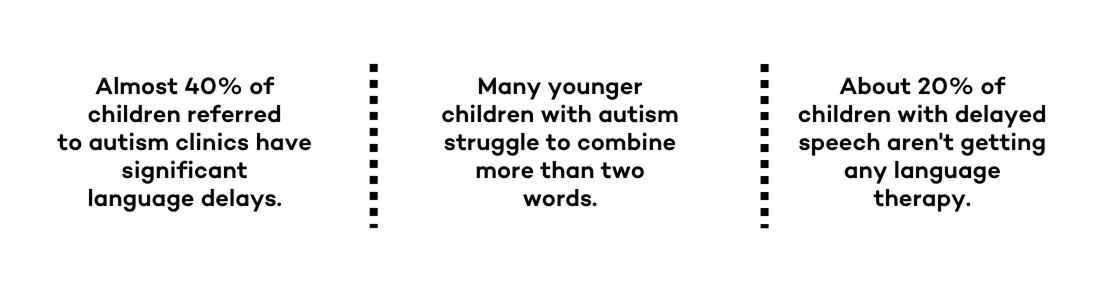
Traditionally, ABA therapy has been widely associated with ASD treatment. While it remains a primary focus, ABA services are now being applied to other developmental disabilities and behavioral health conditions, such as ADHD, anxiety disorders, and speech and language delays. This expansion is increasing the demand for qualified professionals and new service models. According to a recent article from Rise Up 4 Autism, many practices integrate ABA techniques to support speech and language development by reinforcing communication skills, reducing barriers to verbal expression, and promoting alternative communication methods when necessary. These strategies help individuals with speech delays improve their ability to express needs, engage socially, and enhance overall communication effectiveness. As ABA therapy continues to expand, its role in speech and language intervention highlights the versatility of behavioral principles in addressing a wide range of developmental challenges.


The shift has also prompted more research into the effectiveness of ABA across different populations, further solidifying its role in behavioral health.

ABA Market Overview

The ABA therapy market continues to expand, driven by growing ASD prevalence, increased awareness, and enhanced insurance coverage for behavioral health services. Clinics are seeing heightened demand, creating opportunities for new ABA start-ups guidance and practice expansion. With the demand for ABA therapy outpacing the current supply of providers, new solutions are needed to ensure services are accessible to all who need them.

Where the ABA Market is Heading

Market reports indicate that the global ABA therapy market is set to grow at a significant rate. Increased insurance coverage and awareness are key drivers, with more families seeking services. The industry’s ability to scale will depend on technology adoption and workforce development. The growing prevalence of ASD diagnoses, coupled with enhanced governmental funding and insurance policies, is expected to further fuel market expansion.
Additionally, mergers and acquisitions within the sector are increasing as large ABA service providers acquire smaller firms to expand their reach and improve service offerings. Investors are recognizing the industry’s growth potential, leading to more funding opportunities for start-ups looking to innovate within the ABA space.

Key Trends Defining ABA Therapy in 2025

As ABA practices evolve, several key trends are shaping the industry’s future. These trends influence how therapy is administered, how clinics operate, and how patients receive care. Staying ahead of these changes will be vital for ABA professionals looking to provide top-tier services and optimize their operations.

Technology Driving Transformation

Innovative ABA platforms are revolutionizing how services are delivered. Digital tools optimize operations, enhance data collection, and improve client success. Platforms like Raven Health are making it easier for practices to streamline their workflow, ensuring therapists can focus more on their clients rather than administrative burdens. Automation of billing, electronic health records, and real-time data analytics are playing a crucial role in optimizing efficiency.

Telehealth continues to be a major ABA trend, allowing providers to reach patients in remote areas. Digital therapy tools, online parent training programs, and virtual assessments are making ABA more accessible than ever before. As technology continues to evolve, AI-driven analytics and predictive modeling may further refine comprehensive treatment plans and improve patient outcomes.

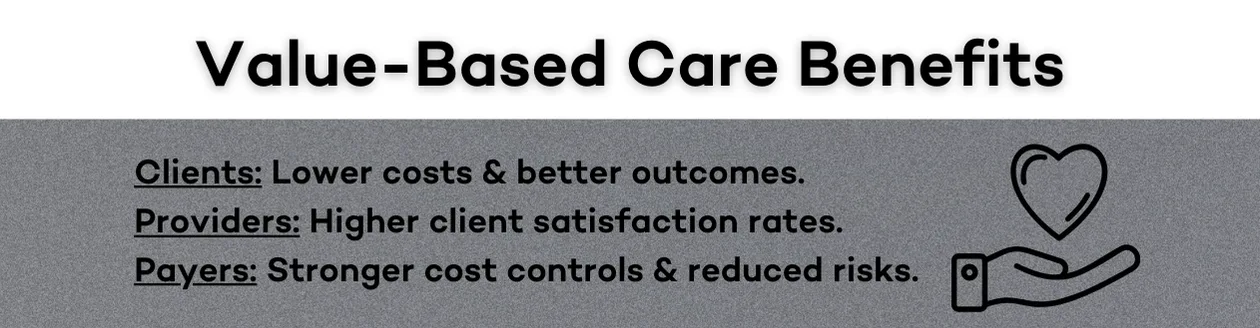
The Shift to Value-Based Care

Insurance providers and health plans are increasingly transitioning to value-based care models. This shift rewards quality over quantity, emphasizing ABA treatment effectiveness and long-term client progress. Clinics must adapt by demonstrating measurable improvements in patient progress. Providers are now required to show data-driven results, making outcome tracking and compliance with insurance requirements more critical than ever.

The Role of BCBAs and the BACB

Board Certified Behavior Analysts (BCBAs) are essential in this transition. The Behavior Analyst Certification Board (BACB) sets the standards for certification, ensuring that behavior analysts meet rigorous staff training, experience, and ethical guidelines. BCBAs are responsible for assessing client progress, modifying treatment plans, and ensuring that the services provided align with payer requirements that cover ABA therapy. Their expertise in data-driven decision-making makes them invaluable in demonstrating treatment efficacy, securing insurance reimbursement, and optimizing client outcomes. Clinics that invest in BCBA-led initiatives will be better positioned to thrive in a value-based care environment.

Emphasis on Collaboration and Family Involvement

Modern ABA therapy extends beyond direct client interactions. Families are playing a more integral role in treatment, with therapists incorporating individualized treatment plans that encourage family engagement. This approach fosters greater social interactions and long-term success for individuals in therapy. Parent training and involvement have been shown to increase the effectiveness of therapy, creating a more sustainable long-term impact.

Schools, medical professionals, and ABA therapists are also collaborating more closely to provide well-rounded care for patients. This integrated approach ensures that children receive consistent support across different environments, further reinforcing learned behaviors and daily living skills.

Growing Diversity in ABA Service Delivery

The rise of telehealth and remote therapy is increasing accessibility, especially in underserved areas. ABA providers are using hybrid models to reach learners who may not have had access to effective treatment before, further expanding the industry’s reach and impact. Additionally, more efforts are being made to ensure ABA services are culturally responsive, adapting interventions to meet the unique needs of diverse populations.

The demand for ABA therapy is steadily increasing, driving providers to explore new methods of service delivery. With more families seeking treatment, ensuring therapy is delivered alongside traditional behavioral health services fosters a holistic approach, improving long-term patient outcomes and overall well-being. By integrating behavioral analysis with other healthcare services, providers can create comprehensive care plans that support long-term success for individuals undergoing therapy.

With this increased recognition of ABA therapy services as a critical component of behavioral health, many families are seeking early intervention services to maximize their child’s potential. These services are considered the gold standard in treating developmental delays and problem behaviors, offering structured therapy that integrates seamlessly into daily life. By collaborating with other providers (like speech therapists, occupational therapists, educators, etc.), ABA professionals can create more comprehensive treatment plans that support long-term growth across various environments.

As the industry expands, the ability to combine data-driven decision-making with compassionate care will be key to securing market share and ensuring sustainable growth. Behavior analysis has demonstrated effectiveness in addressing problem behaviors and promoting long-term skill development. Practices that emphasize early intervention and individualized care plans will continue to see growth.

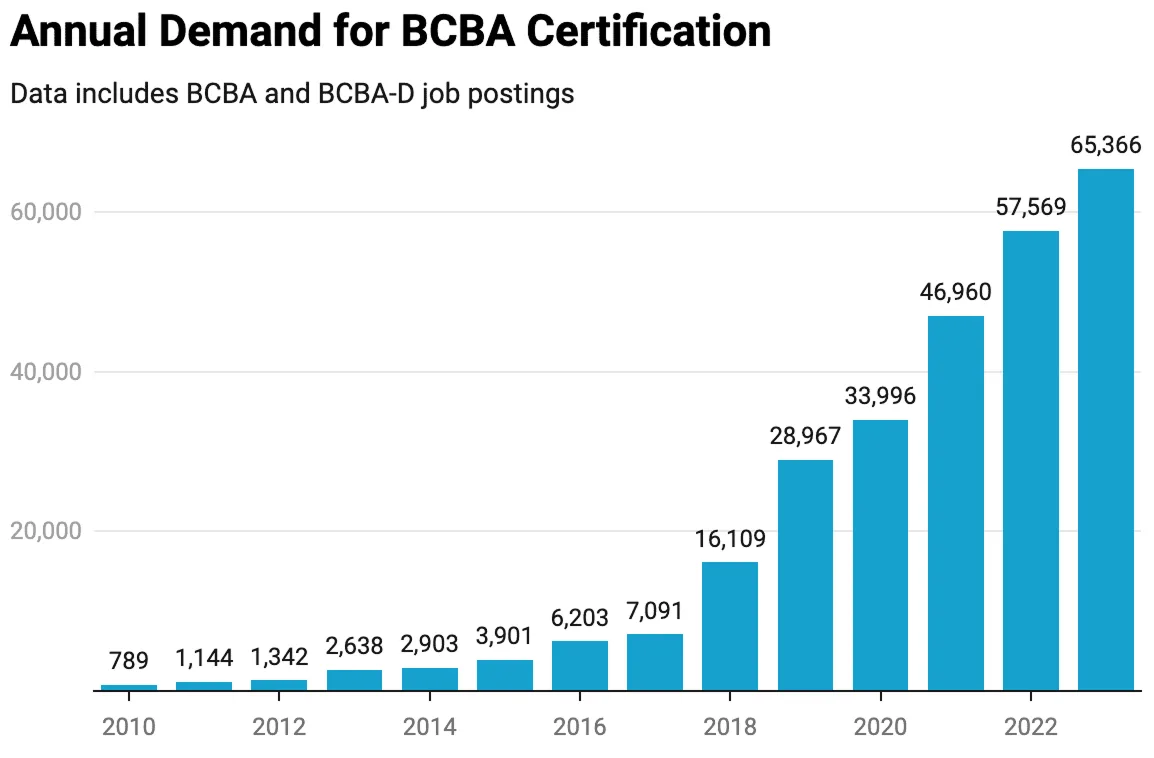
The growing demand for ABA professionals has also led to new opportunities and career advancements in workforce development. An article from Behavioral Health Business states that “In 2023, there [was] a total of 65,300 unduplicated job postings for BCBAs. There are a total of 66,300 clinicians with BCBA credentials recognized by the BACB, according to its latest certification data. In one year, there were more job postings for BCBAs than there were BCBA certificants, theoretically allowing all BCBAs to change jobs even assuming that all certificants are active in the field.”


Educational institutions and training programs are also adapting to accommodate this demand, ensuring that the next generation of therapists is well-equipped to meet industry needs.

Addressing Key Challenges in ABA Therapy

While the industry is thriving and widely recognized, several challenges remain that require strategic solutions.

Workforce Shortages and Retention Issues

The demand for ABA professionals is outpacing the supply. With increasing emphasis on quality care, the role of Board Certified Behavior Analysts (BCBAs) is more critical than ever. The BACB has established the certification framework to ensure that practitioners meet professional standards. However, workforce shortages and turnover rates remain a concern, highlighting the need for sustainable career pathways, mentorship, and professional development opportunities. Clinics must invest in creating a supportive work environment that fosters growth and ensures the retention of skilled professionals.

Increasing Regulatory and Compliance Pressures

With the expansion of ABA services comes a more complex regulatory environment. Compliance with acts like the Mental Health Parity and Addiction Equity Act ensures fair insurance coverage, but it also adds operational challenges for clinics. Meeting the requirements of Medicaid and private insurers often involves extensive documentation and reporting, making compliance a top priority for ABA providers.

The Evolving Regulatory Landscape in ABA Therapy

Government policies, such as the Autism CARES Act, continue to influence ABA funding and insurance policies. These regulations dictate reimbursement structures, making it essential for providers to stay informed and adapt accordingly. As policymakers focus on improving access to behavioral therapy services, ABA providers must be prepared to navigate changing legislative requirements and adjust their business strategies accordingly.

The Role of Technology

Technology is not just improving efficiency—it is redefining the entire ABA landscape. Platforms like Raven Health provide advanced tools that automate administrative tasks, enhance applied behavior analysis workflows, and ultimately improve outcomes. By leveraging cutting-edge technology, clinics can ensure compliance, streamline billing, and enhance therapy effectiveness.

The integration of AI-powered analytics in ABA is expected to drive even greater improvements. These tools help providers analyze treatment progress, make data-driven decisions, and personalize therapy approaches. The adoption of machine learning in ABA could significantly enhance client care by predicting which interventions will yield the most effective treatment results for individual clients.


Wrapping Up: The Future of the ABA Industry

The ABA industry is at a pivotal moment of rapid expansion and innovation. Embracing ABA trends, leveraging technology, and adapting to new evidence-based practices are key to staying competitive. As providers navigate these changes, partnering with the right tools can make all the difference. Experience the future of ABA with Raven Health— start your free, no-risk 30-day trial today!