
Running an Applied Behavior Analysis (ABA) clinic is an incredibly rewarding attempt. But let’s be entirely honest; the behind-the-scenes administrative work can quickly become a nightmare. From managing staff credentials and tracking insurance authorizations to ensuring every session note is perfectly compliant, clinic owners often find themselves drowning in paperwork instead of focusing on patient care.
This is exactly where ABA practice management software steps in. Shifting from a system of spreadsheets and generic calendar apps to a specialized, all-in-one platform isn’t just a technological upgrade; it is a fundamental shift in how your clinic operates.
If you are on the fence about investing in a dedicated platform, here is a detailed look at how practice management software drastically reduces administrative workload and transforms the daily operations of an ABA clinic.
1. Reducing the Chaos of Clinical Scheduling
Scheduling in the ABA world is not like scheduling a standard doctor’s appointment. It is a complex, multi-dimensional puzzle.
You have to match a specific Registered Behavior Technician (RBT) with a client, ensure a Board Certified Behavior Analyst (BCBA) is available for overlapping supervision, and make absolutely sure the session falls within the strict parameters of the client’s authorized insurance hours.
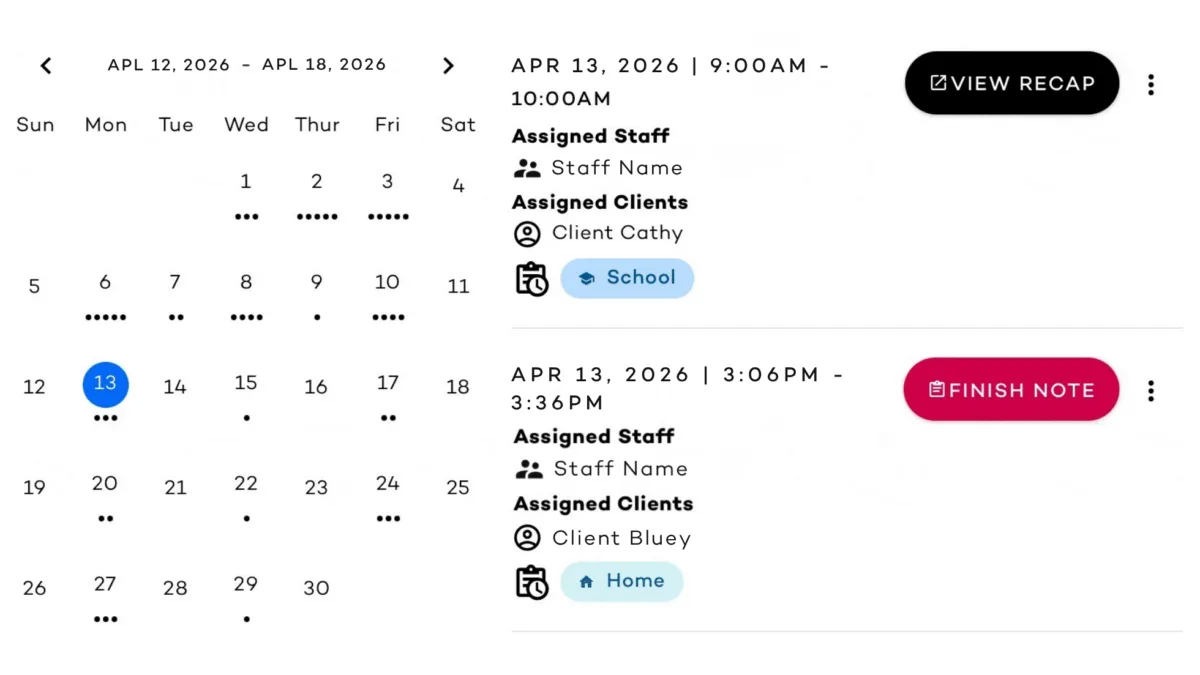
When you do this manually, one cancellation can throw off the entire week. Specialized ABA software turns this “calendar Tetris” into a streamlined process.
Built-in Authorization Tracking
Good software actively tracks authorized hours. If an admin tries to schedule an RBT for a session that exceeds a client’s approved weekly hours, the system flags it immediately, preventing unbillable time.
Real-Time Adjustments
When a family calls in sick, the software allows you to easily view which other staff members are available, appropriately credentialed, and physically nearby to cover other shifts, keeping your operations moving smoothly.
Credential Guardrails
The system can prevent you from scheduling staff whose required certifications (like CPR or their RBT license) are about to expire, keeping you strictly compliant.
2. Streamlining the Revenue Cycle and Billing
Billing for ABA therapy is notoriously difficult. With constantly changing CPT codes, specific modifier requirements, and the sheer volume of claims generated by intensive daily therapy, human error is almost certain if you are using manual data entry.
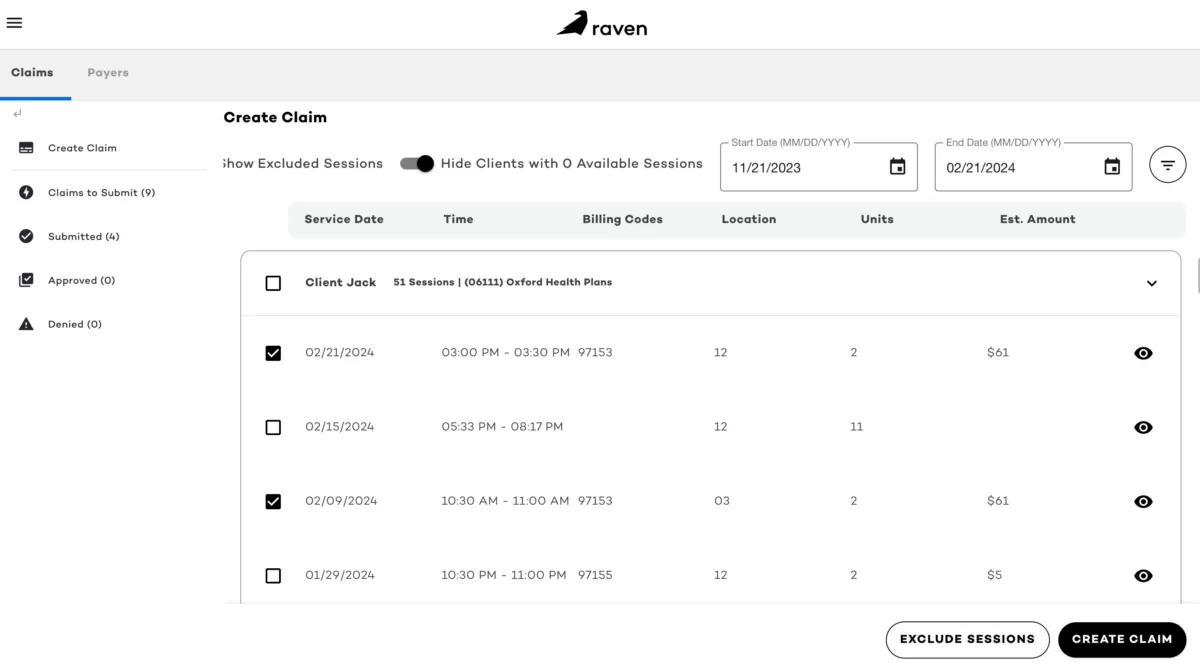
Those errors lead to claim denials, which lead to delayed revenue and massive administrative headaches. Practice management software acts as a safeguard for your revenue cycle.
Automated Claim Generation
The best platforms automatically convert a completed, signed session appointment directly into a clean claim. The software automatically applies the correct CPT codes and modifiers based on the appointment type and the staff member’s credentials.
Scrubbing Before Submission
Before a claim ever reaches a clearinghouse, the software “scrubs” it, checking for missing signatures, overlapping times, or missing modifiers. Catching these errors upfront drastically reduces your denial rate.
Integrated Payment Processing
Many platforms allow families to keep a credit card on file, making the collection of co-pays and deductibles an automated background task rather than an awkward weekly conversation.
3. Elevating Clinical Documentation and Compliance
An ABA clinic lives and dies by its documentation. If a session note isn’t compliant, the session didn’t happen in the eyes of the insurance funder. Expecting an RBT to remember the minute details of a three-hour session at the end of the day is quite vague.
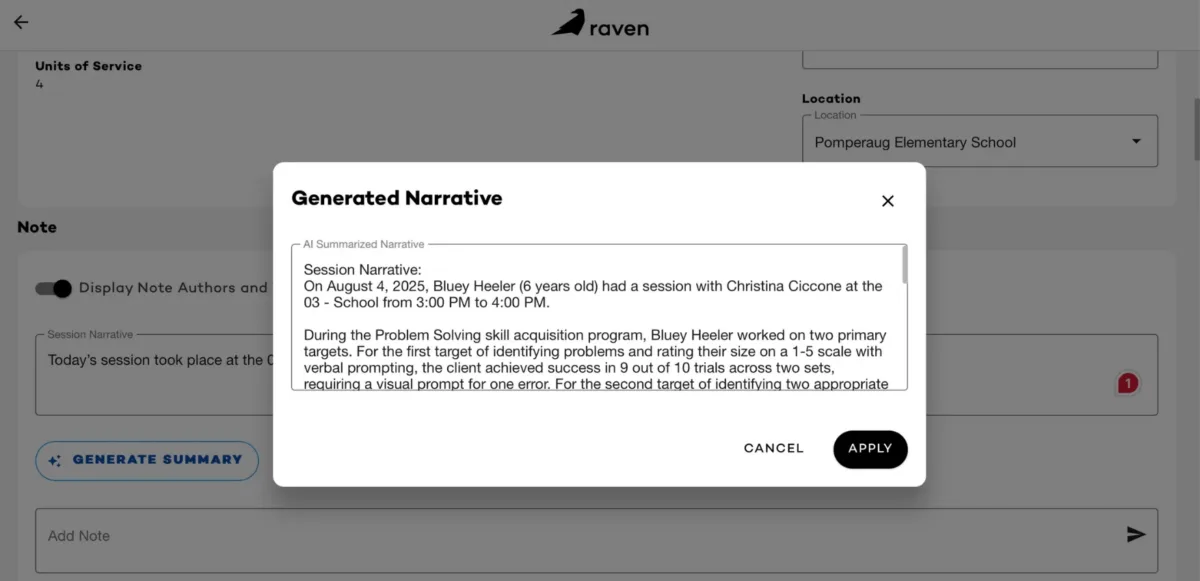
Software brings documentation directly to the point of care, making it faster and far more accurate.
Customizable Templates
BCBAs can build specific session note templates that force staff to answer required prompts before they can close out a session. This ensures that every note meets the exact standards of the funding source.
Mobile Point-of-Care Access
RBTs can use tablets or smartphones to take quick, discrete notes and log data during natural breaks in the session, rather than spending 30 unpaid minutes at the end of the day trying to type up a summary from memory.
The Signature Gatekeeper
A robust system will lock the billing process until the required clinical notes are fully completed and digitally signed, ensuring you never bill for an undocumented session.
4. Making Data-Driven Decisions with Advanced Reporting
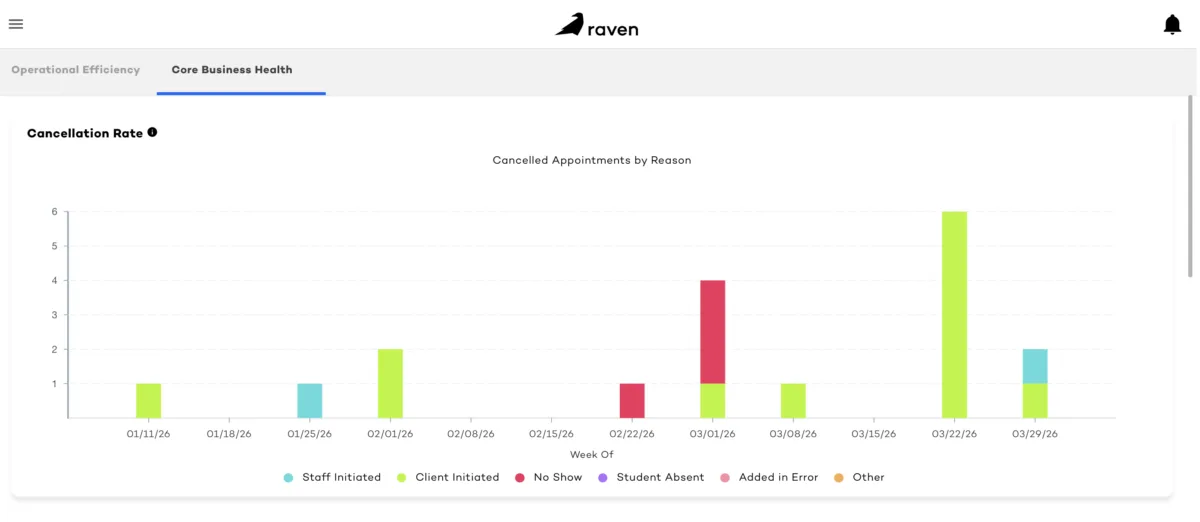
When your data is scattered across different spreadsheets and filing cabinets, it is impossible to get a clear picture of how your business is actually doing. Practice management platforms aggregate all of your clinical and financial data into clean, readable dashboards.

Staff Utilization Metrics
You can instantly see which clinicians are billing efficiently and who is struggling with cancellations, allowing you to balance caseloads effectively.
Expiring Authorizations
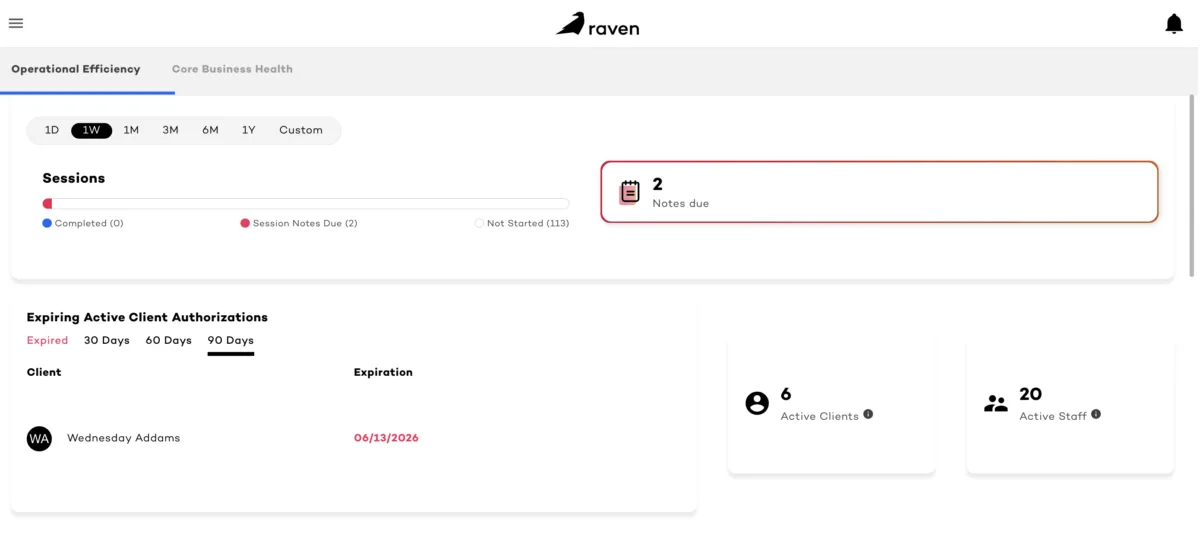
Instead of finding out an authorization expired after a claim is denied, the software provides proactive reports, warning your team 30, 60, or 90 days in advance so they can begin the reassessment process.
Conclusion
The greatest benefit of ABA practice management software is the gift of time. By automating the tedious, error-prone administrative tasks that plague human services, you free up your clinical team to do what they actually went to school for: changing the lives of their learners.