Applied Behavior Analysis (ABA) relies on precise data tracking and analysis. Good ABA software bundles all the tools clinics need from charting session data to scheduling and billing. Instead of juggling paper records and separate apps, a modern ABA system can integrate client data, session notes, scheduling, billing, and reporting in one place, making it easier to deliver effective ABA therapy
This integration lets teams focus on care: automating tasks like data entry and reports frees up your time for direct therapy. In practice, therapists (like RBTs) need fast, easy data entry so they spend time with clients, not paperwork.
BCBAs need analytics and reports to fine-tune programs and show progress. Administrators rely on scheduling and billing tools to run the business smoothly. Below is a checklist of must-have features and why each matters for therapists, BCBAs, and admins, including their impact on workflow and outcomes.
1. Data Collection
A modern ABA platform highlights features like real-time data syncing and offline mode, so therapists can enter behavior data on a tablet or phone during sessions and have it sync automatically when reconnected.
It also offers customizable data forms and smart validations to guide accurate entry. For example, Raven Health emphasizes Real-Time Data Syncing and an Offline-Mode so providers can log data anywhere.
Real-time syncing and offline access- Ensures therapists capture data on the fly and never lose it, even without Wi-Fi.
Mobile-friendly interface- A simple, tablet-first design makes in-session recording quick and easy.
Custom prompts and checks- Built-in validations and customizable fields help prevent errors and ensure complete records.
Efficient data collection is the foundation of ABA work. For therapists, this means spending more time observing and teaching clients rather than filling out forms.
Accurate, immediate data entry (with auto-graphing) lets BCBAs review progress as soon as a session ends. Indeed, when data tasks are automated, clinicians can focus on clients, not paperwork.
Administrators benefit too: standardized digital records make it easier to generate reports and stay audit-ready. In short, streamlined data entry cuts errors and frees up hours each week, which translates directly into more client interaction and better-informed treatment plans.
2. Reporting and Analytics
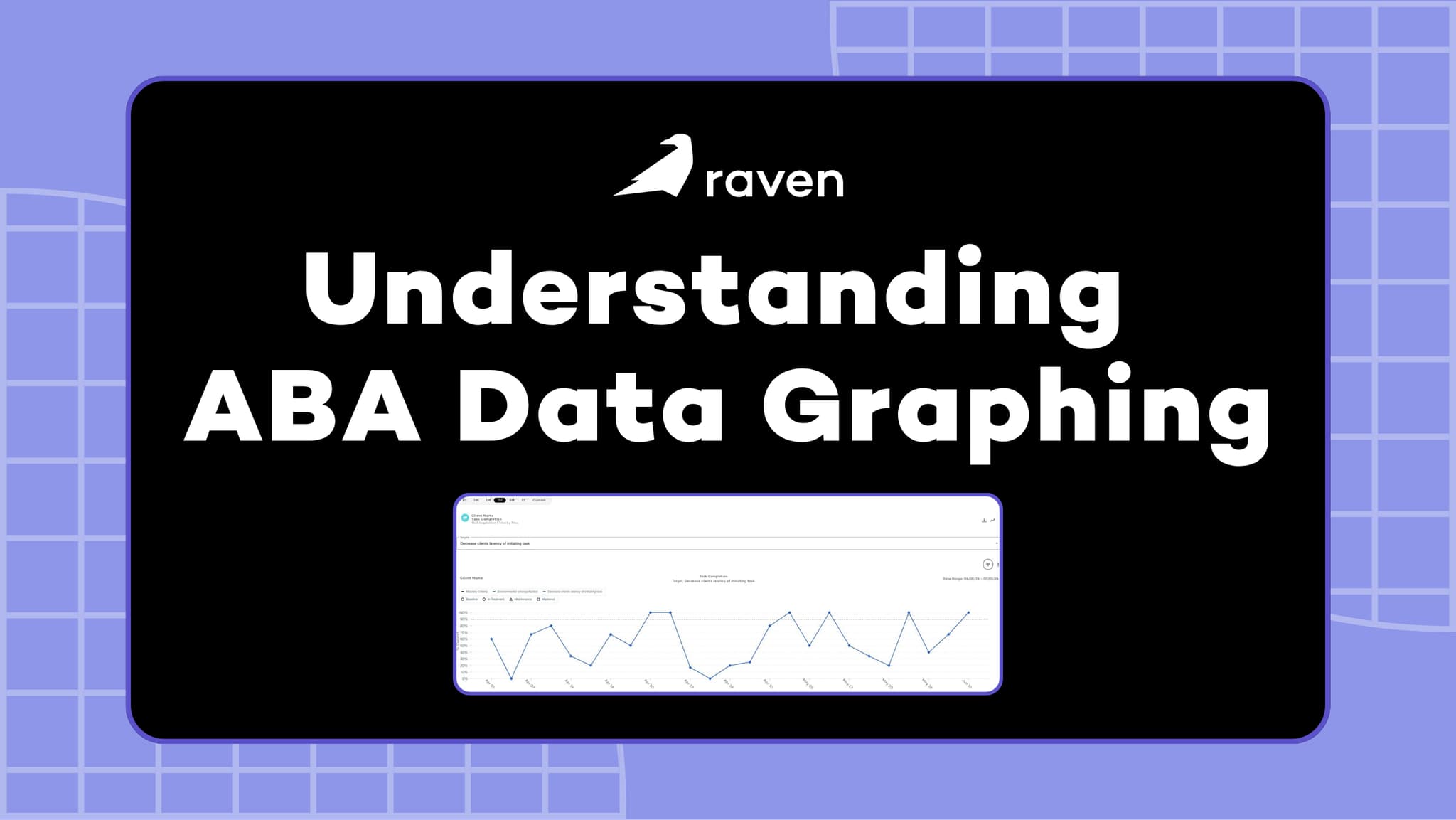
Detailed reporting transforms raw data into clear insights. BCBAs rely on graphical progress reports and dashboards to monitor each child’s skill gains and behavior changes.
Custom dashboards and graphs- Interactive charts and progress trackers let users spot trends at a glance.
Automated progress reports- One-click reports (for parents, schools, or payers) summarize goals and outcomes, saving hours of manual work.
Compliance and documentation templates- Built-in templates for treatment plans, session notes, and outcome measures keep records consistent and audit-ready.
Many systems can auto-generate reports that track objectives over time, so clinicians immediately see if a strategy is working. For example, customizable dashboards visualize individual client progress with clear graphs, making it easy to share updates with teams and families.
Automated reporting also keeps caregivers and insurers informed without extra work; progress summaries can be emailed or viewed via a parent portal.
For therapists, instant access to updated graphs helps adjust lessons on the fly. For administrators, report templates reduce paperwork and help demonstrate outcomes to funders or during audits. In all, powerful reporting tools mean decisions are data-driven and treatment stays aligned with measurable goals.
3. Scheduling
Efficient scheduling ensures sessions happen as planned. Administrators gain a clear overview of all therapists’ and clients’ calendars, so they can spot gaps or overlaps immediately.
Shared calendars and conflict alerts- Multi-provider views and automatic conflict detection prevent double-booking.
Recurring and availability settings- Templates for repeat sessions and visibility into client or therapist availability speed up booking.
Automated reminders- Email/SMS reminders to families and staff cut down on missed sessions.
Mobile access. Field-based therapists can check and update schedules on their phones.
Automated tools take over repetitive tasks: the system can match staff to client availability and even suggest best times.
Therapists benefit by getting real-time schedule updates on their devices, making it easy to prepare for the day’s sessions. Importantly, automated reminders (texts or emails) help families remember appointments, which reduces no-shows and manual reminder calls.
In practice, these scheduling features give administrators back hours per week, and ensure therapy hours are fully used. Better-coordinated schedules mean clients get consistent service and therapists aren’t juggling mix-ups or conflicts.
4. Billing
Billing features connect therapy work to financial health. When scheduling and session notes flow into billing automatically, no therapy time gets lost. For example, linking authorizations to the schedule prevents therapists from unknowingly exceeding approved hours, cutting denials.
Insurance verification- Automated checks of client eligibility and authorizations keep billing error-free.
ABA-specific coding- Built-in management of ABA CPT codes and units ensures services are billed correctly.
Claims submission and tracking- Everything i.e., claim creation, electronic submission, and payment posting is linked to the session data, so you don’t have to enter the same information more than once.
Financial dashboards- AR tracking and billing reports let admins monitor revenue, denials, and cash flow in real time.
The software can auto-apply the correct ABA codes and alert for missing authorizations before submitting a claim. Many systems post payments and update accounts receivable in one click, so administrators immediately see what’s been paid vs. outstanding.
Clinicians’ and office staff’s billing work becomes more efficient: missing or incorrect claims get caught early, and payments arrive sooner.
In turn, that steady cash flow lets clinics invest in more services and staff. High collection rates often 95–98% and under 1% denial rates have been reported with best-in-class ABA billing tools.
5. Integrations
No software lives in a vacuum. Integration capabilities ensure the ABA platform works with other tools you already use. For instance, client data should flow into your electronic health record and billing system without retyping.
Connect other systems- Sync with EHRs, telehealth apps, and accounting/payroll software.
Communication tools- Link with email/SMS platforms and parent portals for seamless updates.
Data sharing across apps- APIs and built-in links mean data entered once (e.g. client demographics) populates every relevant part of the system.
Connections to telehealth or data-collection apps allow therapists to use their preferred tools while keeping all information synced. Seamless integration eliminates duplicate data entry and human errors. Clinics have found that integrated systems can cut administrative work by roughly a third.
For therapists and BCBAs, this means they don’t waste time switching between apps or re-entering client info. For admins, it means a unified view of the practice, one login to see scheduling, billing, and clinical data together which drastically reduces clerical overhead.
Conclusion
Together, these features transform how an ABA practice operates. Automated data collection and reporting free up therapists and BCBAs to spend time on treatment planning and delivering care. Robust scheduling and billing tools improve the business side: conflicts and claim errors are caught early, so services are consistent and payments are timely.
In short, an ABA system with these must-have features streamlines workflow across roles from clinician to admin and leads to better client outcomes. When data, schedules, and billing all flow smoothly, ABA teams can work more efficiently and deliver higher-quality, data-driven therapy that truly makes a difference. Clinicians can apply ABA these features into their workflows more efficiently using tools like Raven Health. Request a demo or start a free trial to see it in action.